If you’ve lived in Houston for even one summer, you know the humidity can be both uncomfortable and constant. That thick, heavy air doesn’t just cling to your skin. It clings to your home, too. And over time, it can quietly cause siding moisture damage that Houston homeowners don’t notice until it becomes expensive.
Your siding isn’t just there to make your house look good. It’s your home’s first defense against rain, tropical storms, and year-round moisture. In a climate like ours, choosing the right materials and installing them correctly makes all the difference.
At Compass Roofing TX, we’ve seen firsthand how Houston’s humidity affects different siding types. The good news? With the right Houston siding installation and smart maintenance, you can protect your home for years to come.
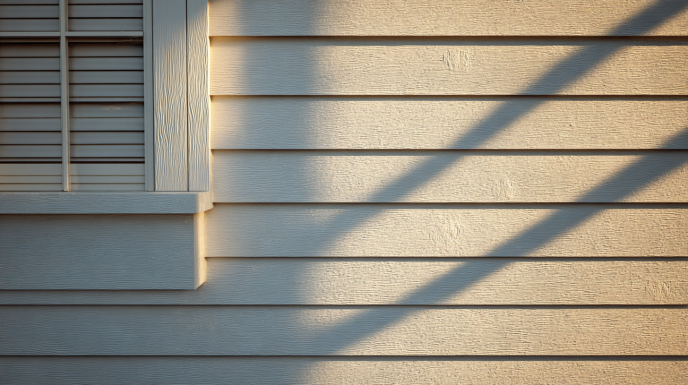
The Siding Options We Provide
Not all siding performs the same in humid climates. That’s why we offer a range of materials designed to hold up against moisture while still giving your home great curb appeal.
Vinyl Siding
Vinyl is one of the most popular options in our area. It doesn’t absorb water, which makes it resistant to rot and swelling. When properly installed with correct spacing and ventilation, vinyl handles humidity well. Poor installation, however, can trap moisture behind panels, which is where problems start.
Composite Siding
Composite siding is engineered to be more resistant to moisture and pests than traditional wood. It offers durability with a wood-like appearance, making it a solid choice for homeowners who want style without the same level of maintenance.
Wood Siding
Wood siding looks beautiful, but in Houston’s climate, it requires more attention. Without regular sealing and maintenance, high humidity can cause warping, swelling, and even mold growth.
Fiber Cement & Hardie Board
Fiber cement and Hardie board are among the best siding for humid climates. These materials resist moisture, won’t rot, and hold up extremely well against Houston’s heat and humidity. They’re durable, long-lasting, and a smart investment for homeowners looking for serious protection.
LP SmartSide
LP SmartSide is treated engineered wood designed to resist moisture and decay better than traditional wood siding. When installed properly and maintained well, it performs much better in humid conditions than untreated wood.
How Houston’s Humidity Impacts Siding
Humidity doesn’t usually cause dramatic damage overnight. It’s more subtle, and that’s what makes it dangerous.
Trapped Moisture
When siding is installed incorrectly or lacks proper house wrap and ventilation, moisture can get trapped behind it. In Houston’s climate, that trapped moisture rarely dries completely. Over time, this can promote mold, mildew, and structural deterioration.
Warping and Swelling
Materials that absorb moisture, like untreated wood, can expand in high humidity. As they swell and contract repeatedly, boards may crack or pull away from the home.
Mold and Mildew Growth
Houston’s combination of heat and humidity creates ideal conditions for mold growth. If moisture gets behind siding or seeps into seams, you may notice staining or dark patches forming on the exterior.
Paint and Finish Breakdown
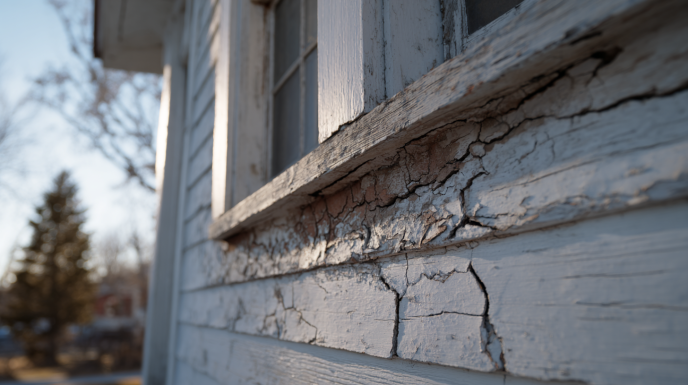
Constant moisture exposure can cause paint and finishes to break down faster. That peeling or bubbling isn’t just cosmetic; it often signals moisture intrusion underneath.
This is why siding moisture damage in Houston homes often starts small but spreads quickly if left unchecked.
How to Prevent Moisture Damage
Preventing humidity-related siding problems starts with the right materials and professional installation.
1. Choose the Right Material
In a humid climate like Houston, moisture resistance should be a top priority. Fiber cement, Hardie board, vinyl, and engineered wood options like LP SmartSide all perform better than untreated wood when installed correctly.
2. Professional Installation Matters
Even the best siding won’t perform if it’s installed improperly. Proper flashing, moisture barriers, spacing, and ventilation are critical. Our Houston siding installation team ensures siding is installed with Houston’s climate in mind, not just nailed to the wall and sealed up.
3. Ensure Proper Drainage
Seamless gutters play a key role in protecting your siding. By directing rainwater away from your home’s exterior, they reduce prolonged moisture exposure that can lead to damage.
4. Schedule Regular Inspections
Humidity damage often hides beneath the surface. Periodic inspections help catch early warning signs before they become costly repairs.
5. Act Quickly After Storms
Houston sees hurricanes, tropical storms, and heavy rain events. If siding is cracked or loosened during a storm, moisture can immediately begin working its way inside. Prompt repairs are essential.
Why Houston Homeowners Choose Compass Roofing TX
At Compass Roofing TX, we don’t just install siding; we help homeowners protect their investment.
Our approach is built on honesty, openness, and responsibility. We offer free inspections, clear recommendations, and no-pressure guidance. Whether you need a full siding replacement or repairs after a storm, we focus on solutions that make sense for your home and your budget.
Our team understands the unique challenges Houston homeowners face. From humidity to hurricane-driven rain, your exterior has to work hard year-round. That’s why we only provide siding options we trust and install them with precision and care.
If you’re concerned about the siding moisture damage Houston homes commonly experience, or you’re ready to upgrade to one of the best siding options for humid climates, our team is here to help.
Reach out to Compass Roofing TX today for a free inspection and personalized recommendations. Let’s make sure your home is ready to stand strong against Houston’s humidity, season after season.